What Is Winged Bean?
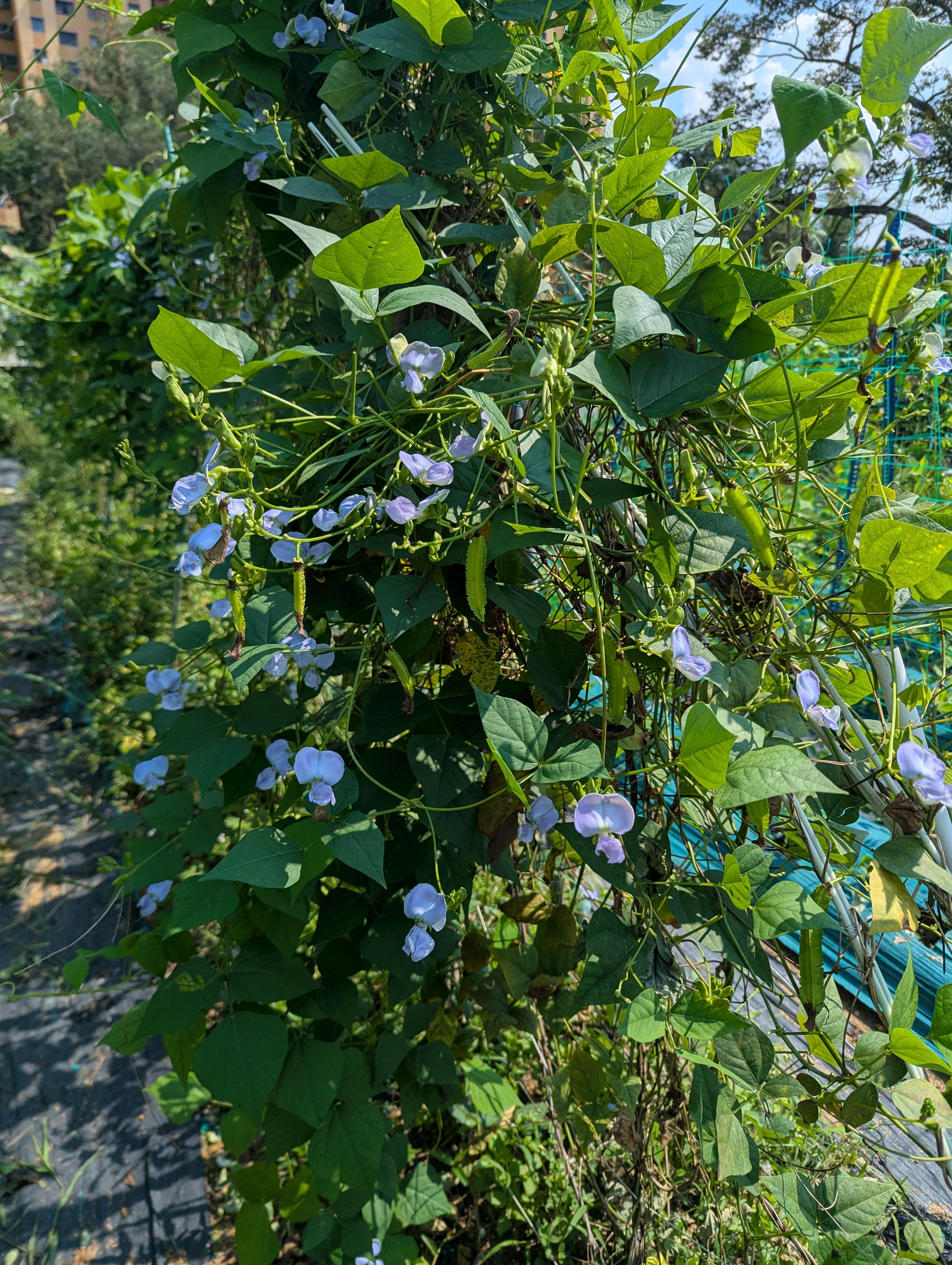
Winged bean (Psophocarpus tetragonolobus), also known as goa bean, asparagus pea, or four-angled bean, is a tropical climbing legume native to Papua New Guinea and Southeast Asia. It's called "winged" for the four ruffled ridges that run along its square-shaped pods. Nearly every part of the plant is edible, making it one of the most efficient protein sources a homesteader can grow.
Why Grow It?
- Nutrient-dense — Pods are rich in protein, vitamins A and C, iron, and calcium
- Zero waste — Leaves (like spinach), flowers (add to salads), young pods (stir-fry), mature seeds (dry like soybeans), and even the tuberous roots (like potatoes) are all edible
- Soil booster — As a legume, it fixes nitrogen in the soil, improving fertility for neighboring plants
- Fast & productive — Pods appear 60–90 days after sowing and keep producing for months
How To Plant
Winged bean thrives in warm, humid climates but can be grown as an annual in temperate zones with a long enough summer.
- Climate: Needs 75–95°F (24–35°C) and at least 5–6 months frost-free
- Soil: Loamy, well-drained soil with pH 5.5–7.0. Add compost before planting
- Sowing: Soak seeds overnight to soften the hard coat. Sow 1 inch deep, 12–18 inches apart, in full sun
- Trellis: Provide a sturdy trellis or fence — vines can reach 10–15 ft
- Water: Keep consistently moist, especially during flowering and pod development
Growing Tips
- Inoculate seeds with Rhizobium bacteria (legume inoculant) for better nitrogen fixation
- Mulch around the base to retain moisture and suppress weeds
- Winged bean is day-length sensitive — it flowers best when days are shorter than 12 hours. In northern climates, plant in early summer for late-summer flowering
- Harvest young pods at 2–4 inches for tender, asparagus-like texture. Let some mature for seed saving
Harvest window: Pick pods every 2–3 days once they start — they grow fast and get fibrous if left too long!
Pests & Problems
Winged bean is fairly resilient, but watch for:
- Aphids and spider mites — spray with neem oil or strong water blast
- Root-knot nematodes — rotate crops and use organic matter to encourage beneficial soil life
- Powdery mildew in humid conditions — space plants for airflow and avoid overhead watering
Cooking With Winged Bean
The mild, bean-sprout flavor works in countless dishes:
- Young pods — Stir-fry with garlic, steam, or blanch for salads
- Leaves & shoots — Sauté like spinach or add to soups
- Flowers — Use raw as a colorful garnish or stuff and tempura-fry
- Tubers — Boil, roast, or slice into chips (taste like potatoes with a nutty note)
- Mature seeds — Dry and cook like soybeans; can be fermented or sprouted
Did you know? Winged bean seeds contain up to 37% protein and 18% oil — comparable to soybeans. It's sometimes called "the one species supermarket" because of its edible-all-over versatility.
← Back to all guides
 Greens N Berries